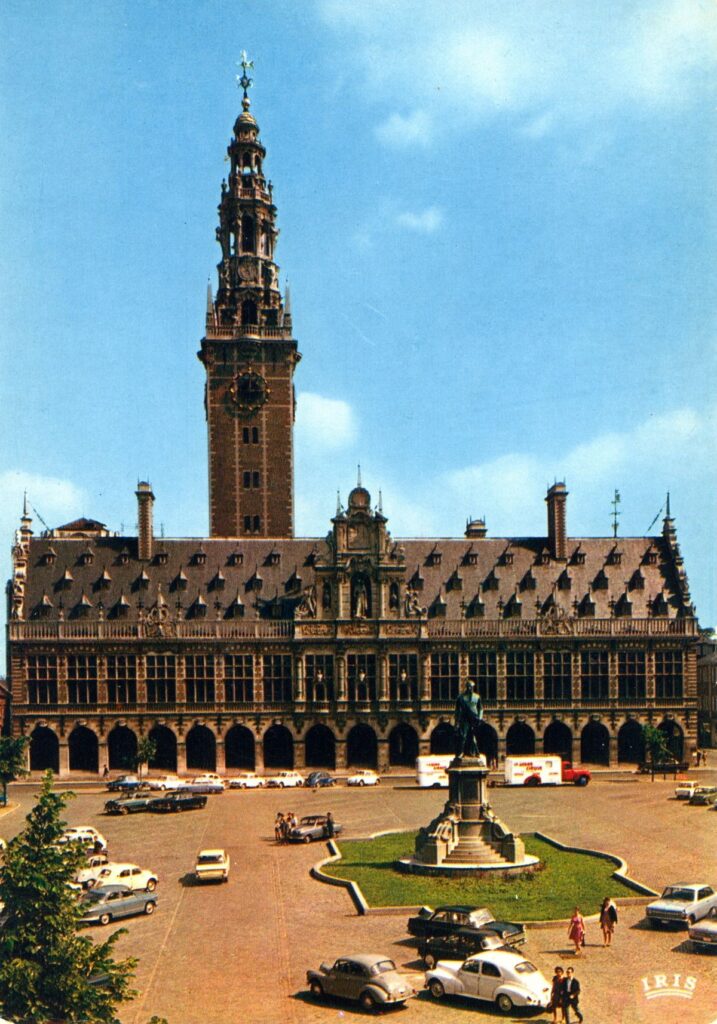
History about Leuven
Leuven is one of the oldest cities in Belgium and has a long and interesting history. The city developed along the river Dijle and was already an important settlement during the Middle Ages. Its location on trade routes helped Leuven grow into a busy commercial center where merchants, craftsmen, and travelers came together.
One of the most important moments in the city’s history was the founding of the University of Leuven in 1425. The university quickly became one of the most important educational institutions in Europe and attracted students and scholars from many different countries. Even today, the university remains a central part of the city’s identity.
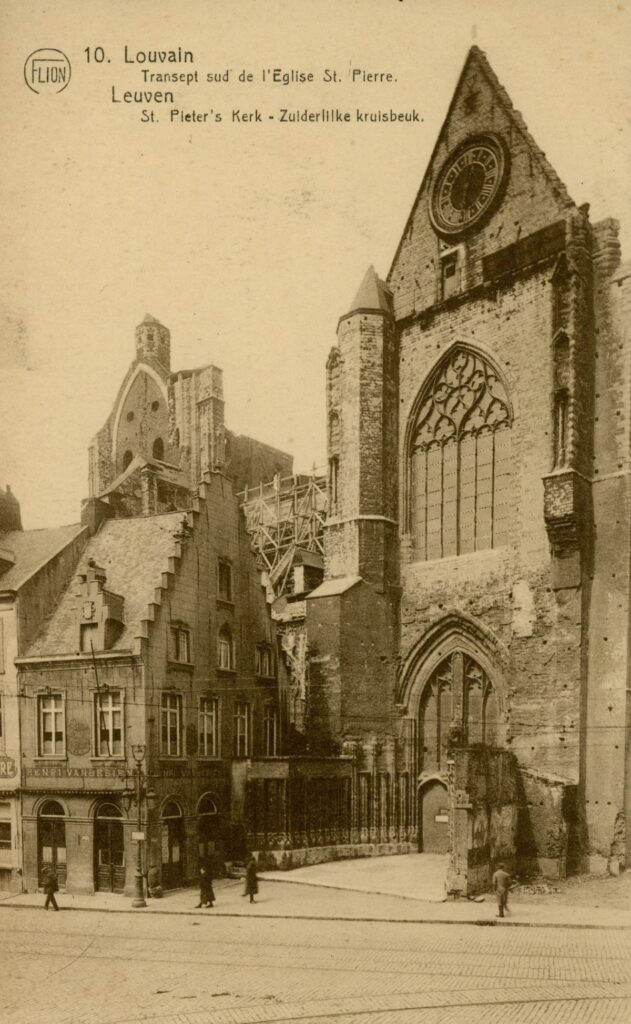
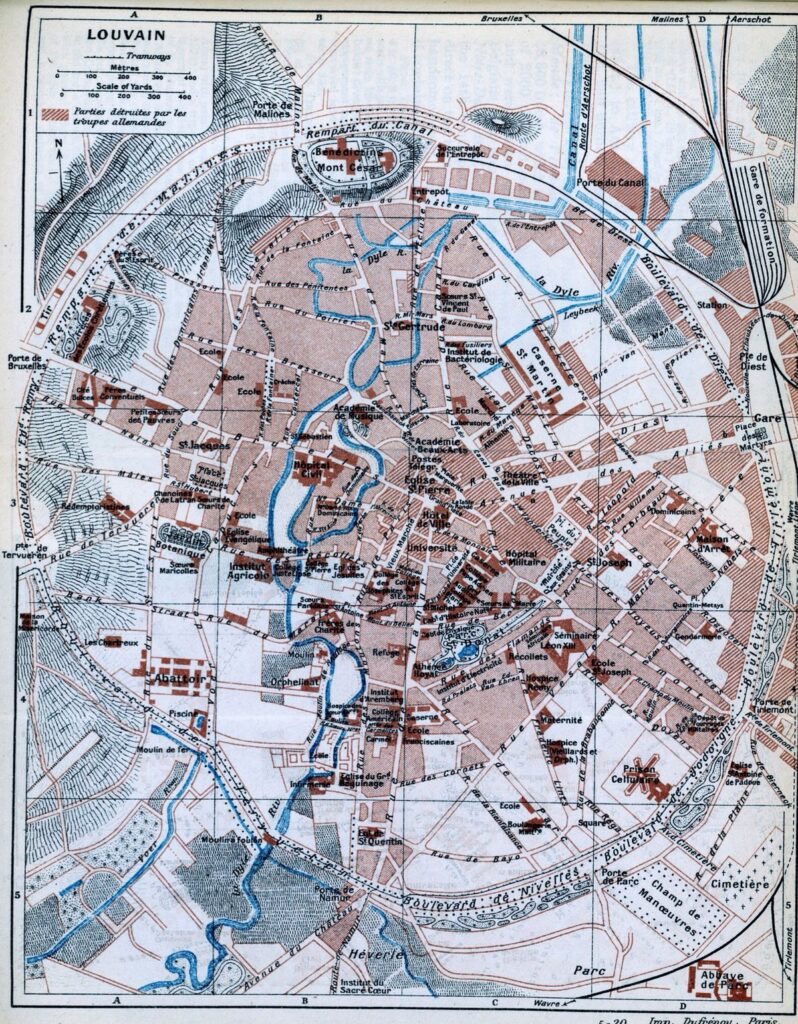
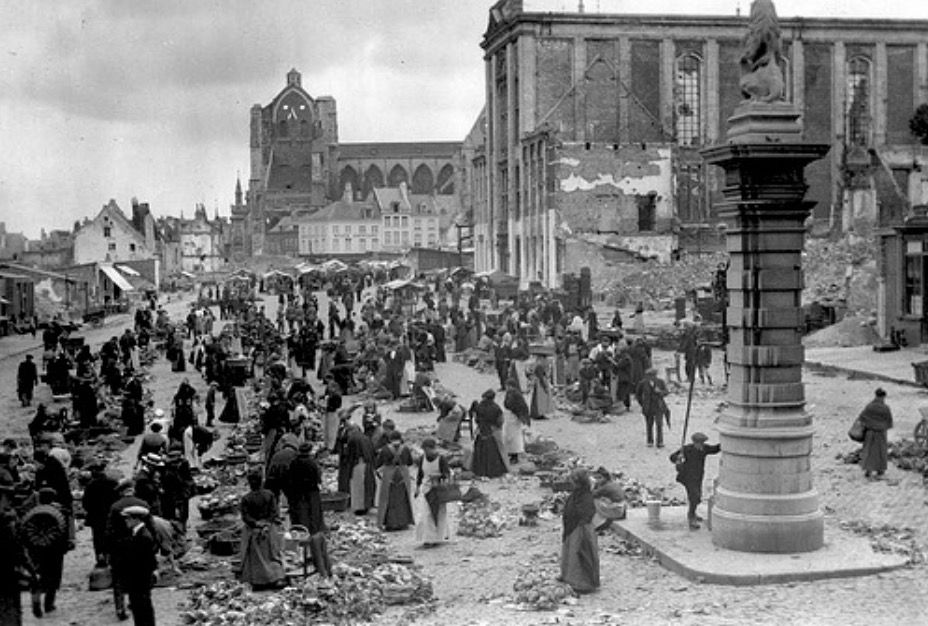
Leuven has also experienced difficult periods. During the First World War in 1914, a large part of the city was destroyed and the famous university library was burned down. After the war, many buildings were rebuilt, and the library was restored with help from the international community.
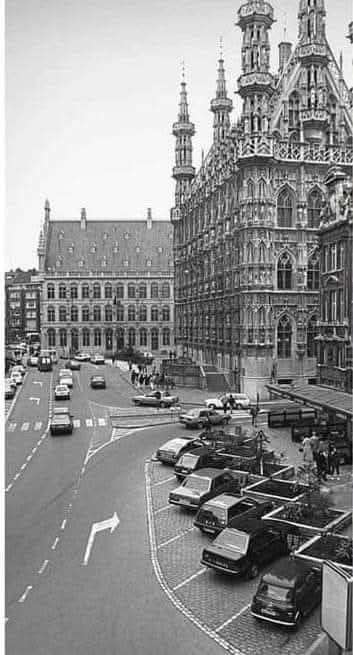
Today, Leuven is known as a vibrant university city that combines its rich history with a modern and dynamic atmosphere. Historic buildings such as the Town Hall and the Old Market Square remind visitors of the city’s past, while the large student population keeps the city lively and full of energy.
On the second picture you can see Leuven, from the blue guides “Belgium and the Western Front”, 1920. The shaded areas on the map indicate the houses destroyed by the Germans in 1914.